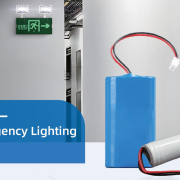
Safety Features and Environmental Benefits of Lithium Battery Solutions for Emergency Lighting
Introduction: LiFePO4 emergency light batteries offer certified overcharge and short circuit protection, reduced maintenance, lower environmental impact, and reliable operation across wide temperatures for critical lighting.
In many critical moments during power outages, the reliability of emergency lighting can make a profound difference. Imagine a hospital suddenly plunged into darkness, where every second counts for patient safety and staff coordination. The emergency light battery becomes a silent guardian in such scenarios, demanding both trustworthiness and longevity. Recognizing these needs, a lithium battery manufacturer specializing in emergency light batteries provides solutions designed to offer uninterrupted power while addressing safety and environmental concerns. When searching for a dependable energy source, selecting a wholesale emergency light battery provider with expertise in LiFePO4 technology ensures the best outcomes for varied emergency lighting applications.
Overcharging and short circuit protection in LiFePO4 emergency light batteries
Safety is paramount in emergency lighting, where the battery’s performance influences the system’s ability to function under critical conditions. A renowned LiFePO4 battery manufacturer understands the essential role protective mechanisms play in preventing overcharging and short circuits. These advanced lithium batteries feature integrated safeguards that continuously monitor voltage and current levels, automatically adjusting or cutting off power to avoid damage or hazards. This proactive functionality prevents thermal runaway, a risk commonly associated with traditional batteries, thereby enhancing safety for users and maintenance personnel alike. Emergency light battery manufacturers who produce wholesale LiFePO4 batteries focus on delivering products with built-in control circuitry certified to meet stringent industry standards. This reliability is crucial not only for safety but also for extending the overall life cycle of the battery, reducing the frequency of replacements, and lowering long-term environmental impact. Users can depend on these bulk-supplied batteries for consistent operation throughout their rated lifespan, even in high-demand emergency lighting systems deployed in hospitals, commercial buildings, or residential complexes.
Reduced maintenance and environmental impact compared to lead-acid alternatives
Transitioning to lithium-based solutions represents a meaningful step toward sustainability while easing operational demands. Unlike lead-acid batteries, lithium batteries crafted by an experienced lithium battery manufacturer require significantly less maintenance. This difference arises because LiFePO4 chemistry provides excellent stability and resilience against common degradation factors such as sulfation and acid leakage. Emergency light batteries sourced wholesale from reputable LiFePO4 battery manufacturers also weigh much less, facilitating easier installation and handling without compromising capacity or durability. The environmental benefits are notable; lithium batteries contain fewer toxic materials, and their longer lifespan reduces waste generation. In large-scale deployments where wholesale emergency light battery purchases are common, the cumulative positive environmental impact is significant. Facilities benefit from lower carbon footprints and adherence to evolving ecological regulations, a growing concern noted by many emergency light battery manufacturers as industries shift toward greener alternatives. This dual advantage of operational efficiency and environmental stewardship makes LiFePO4 batteries particularly appealing for sustainable building projects and forward-thinking emergency lighting systems.
Wide operating temperature range supporting indoor and outdoor emergency lighting
Emergency lighting systems must remain functional under a variety of environmental conditions, from climate-controlled indoor spaces to exposed outdoor areas. A wholesale LiFePO4 battery supplier acknowledges that temperature responsiveness is a key advantage of these lithium solutions. Unlike lead-acid or other chemical batteries that may falter in extreme heat or cold, LiFePO4 batteries maintain stable performance across a broad temperature spectrum. This characteristic ensures reliable emergency illumination during unforeseen weather events or in installations where temperature fluctuations are common. By procuring batteries from a trusted lithium battery manufacturer such as Goldencell, users can expect consistent energy delivery; this reliability is especially crucial for emergency light battery manufacturers serving diverse sectors such as industrial warehouses, schools, or transportation hubs. The inherent robustness of LiFePO4 cells means that emergency lighting installations have fewer temperature-related failures, diminishing downtime and service needs. Wholesale purchases often include batteries with technical specifications guaranteeing performance certification across these wider temperature ranges, illustrating a commitment by LiFePO4 battery manufacturers to meet the demands of real-world emergency situations.
Choosing products developed by an established lithium battery manufacturer ensures practical peace of mind, combining safety, longevity, and environmental responsibility. The embedded protection against electrical faults safeguards both users and equipment, aligning with evolving industry safety standards. When relying on a wholesale LiFePO4 battery supplier for emergency light batteries, stakeholders benefit from reduced maintenance hassle and a diminished ecological footprint. Moreover, the ability to operate reliably within varied temperature conditions reinforces the batteries’ suitability for a wide range of indoor and outdoor emergency lighting applications. As emergency preparedness continues to advance, integrating these thoughtfully designed lithium solutions represents a prudent step forward, nurturing confidence and resilience in critical power backup systems.
Related Links
- Emergency Lights Battery– Discover reliable emergency light solutions tailored for critical situations.
- Lead-Acid Replacement Lithium Batteries– Explore how lithium batteries are an efficient alternative to lead-acid options.
- Renewable Energy– Learn about sustainable energy solutions that complement emergency power needs.
- OEM & ODM Services– Find out how OEM and ODM services can enhance your energy storage products.
- Contact Us– Get in touch for more information on lithium battery solutions and emergency lighting.