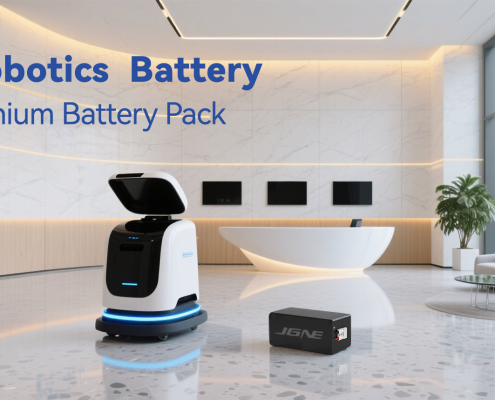
 https://goldencellpower.com/wp-content/uploads/2026/10/机器人电池1-11.png
859
1400
administrator
/wp-content/uploads/2022/12/logo.svg
administrator2026-10-30 08:30:552026-10-30 08:30:55Beyond 2,000 Cycles: What Really Determines a Robot Battery’s Service Life
https://goldencellpower.com/wp-content/uploads/2026/10/机器人电池1-11.png
859
1400
administrator
/wp-content/uploads/2022/12/logo.svg
administrator2026-10-23 07:20:522026-10-23 07:20:52Shock and Vibration Loads Inside Mobile Robot Battery Packs
https://goldencellpower.com/wp-content/uploads/2026/10/机器人电池1-11.png
859
1400
administrator
/wp-content/uploads/2022/12/logo.svg
administrator2026-10-23 07:20:072026-10-23 07:20:07Smart BMS Communication Inside Mobile Robot Battery Packs
https://goldencellpower.com/wp-content/uploads/2026/10/机器人电池1-11.png
859
1400
administrator
/wp-content/uploads/2022/12/logo.svg
administrator2026-10-23 07:19:172026-10-23 07:19:17What 25.6V and 51.2V Mean in Robot Lithium Battery Packs
https://goldencellpower.com/wp-content/uploads/2026/10/机器人电池1-11.png
859
1400
administrator
/wp-content/uploads/2022/12/logo.svg
administrator2026-10-23 07:18:062026-10-23 07:18:06How Do LiFePO4 Battery Packs Support Industrial Robot Duty Cycles?
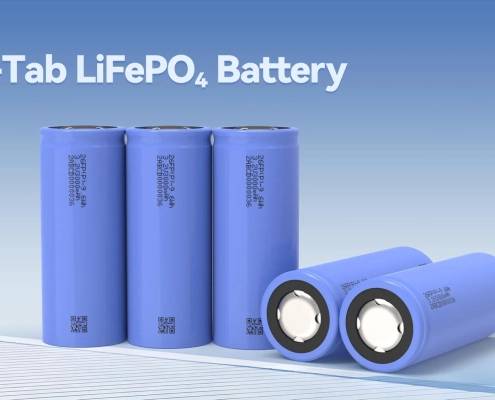 https://goldencellpower.com/wp-content/uploads/2026/09/2000-1125-111.webp
1125
2000
administrator
/wp-content/uploads/2022/12/logo.svg
administrator2026-10-15 01:37:472026-10-15 01:40:33High-Rate 26650 LiFePO4 Cells for BBU and UPS Backup Systems: A Procurement and Verification Guide
https://goldencellpower.com/wp-content/uploads/2026/09/2000-1125-111.webp
1125
2000
administrator
/wp-content/uploads/2022/12/logo.svg
administrator2026-10-14 09:04:172026-10-14 09:07:07Full-Tab vs Standard-Tab High-Power Lithium Battery Cells: How to Verify Resistance, Heat, and Production Consistency
https://goldencellpower.com/wp-content/uploads/2026/09/2000-1125-111.webp
1125
2000
administrator
/wp-content/uploads/2022/12/logo.svg
administrator2026-10-09 06:07:572026-10-09 06:07:57LiFePO4 Cell Manufacturing Consistency for Industrial Battery Packs
https://goldencellpower.com/wp-content/uploads/2026/09/2000-1125-111.webp
1125
2000
administrator
/wp-content/uploads/2022/12/logo.svg
administrator2026-10-09 06:06:552026-10-09 06:06:55Choosing 26650 LiFePO4 Cells for AGV and AMR Battery Packs
https://goldencellpower.com/wp-content/uploads/2026/09/2000-1125-111.webp
1125
2000
administrator
/wp-content/uploads/2022/12/logo.svg
administrator2026-10-09 06:05:502026-10-09 06:05:50Low Internal Resistance LiFePO4 Cells for Online UPS Backup
